
Dune: Imperium(2020)
Games like Dune: Imperium
Looking for games like Dune: Imperium? It's a strategy game with real decisions on every turn — built on asymmetric powers that make your side play unlike any other and building an engine card by card as the game unfolds. This page rounds up 12 of the closest alternatives, scored on mechanical overlap with the original (45%), complexity match (35%), and player-count fit (20%), then weighted by BoardGameGeek community ratings so every pick is one players genuinely rate. The strongest matches come first; the further down you go, the more a game trades exact overlap for a fresh take on the same core appeal.
12 recommendations · scored by ISO

Dune: Imperium – Uprising(2023)
This is the obvious next step, and a near-perfect match — one of the closest in feel you'll find. Deck, bag, and pool building, worker placement, card play conflict resolution, delayed purchase, multi-use cards, force commitment, and variable player powers all carry over from Dune: Imperium intact. It runs a step heavier at 3.53 versus 3.08, so expect a bit more to track. It also stretches further: 1–6 players with a sweet spot at four, compared to the original's three. Uprising trades the take-that edge and tags for contracts, automatic resource growth, and a team mode that makes six-player games possible.

Lost Ruins of Arnak(2020)
Deck-building welded to worker placement is the engine here too — Arnak shares deck, bag, and pool building, delayed purchase, multi-use cards, open drafting, progressive turn order, and a solo mode with Dune: Imperium. It's a shade lighter at 2.93 against 3.08, close enough that the depth feels comparable. Player counts are a carbon copy: 1–4, best at three, in both cases. What changes is the flavor of tension: instead of card play conflict resolution and force commitment, you get area movement, contracts, and once-per-game abilities in a fantasy exploration setting rather than sci-fi politics.

The Witcher: Old World(2023)
Like the original, The Witcher: Old World is novel-based, and it shares card play conflict resolution, deck, bag, and pool building, increase value of unchosen resources, open drafting, racing, and variable player powers. At 2.88 it plays somewhat lighter than Dune: Imperium's 3.08. The bigger gap is player count: it supports 1–5 but sings at two, where the original is happiest at three. In place of worker placement and multi-use cards you get dice rolling, narrative paragraphs, point-to-point movement, and role-playing elements — the shared systems keep it familiar, but the table feel is more adventure than power struggle.

Terraforming Mars(2016)
Tags, take-that, variable player powers, progressive turn order, and solo play are the connective tissue between Terraforming Mars and Dune: Imperium — plus both are science fiction. Complexity runs marginally higher here, 3.27 against 3.08, so the depth is in the same territory. It handles 1–5 and, like the original, does its finest work at three. Everything else diverges: there's no deck, bag, and pool building or worker placement, and hand management, tile placement on a hexagon grid, closed drafting, and income drive play instead — you're building an economy rather than fighting over spaces.

Lewis & Clark: The Expedition(2013)
Weight-wise this sits a notch above Dune: Imperium — 3.32 to 3.08 — so it asks slightly more of you, not less. The overlap is real: deck, bag, and pool building, delayed purchase, multi-use cards, open drafting, a race, solo play, and worker placement all show up in both. Player count fits well too: Lewis & Clark peaks at three like the original and adds room for a fifth. The divergence is that there's no card play conflict resolution or take-that here; instead, action retrieval, hand management, and resource-to-move turn it into a purer expedition race where your deck fuels movement rather than combat.

Architects of the West Kingdom(2018)
Consider this one if your group leans toward four players — Architects is best there, versus the original's three, and stretches to five. It shares open drafting, tags, take-that, variable player powers, worker placement, and solo support with Dune: Imperium, so the interactive worker-placement core survives. At 2.76 against 3.08, it's a meaningfully lighter game to learn and teach. What you lose is the deck, bag, and pool building and multi-use cards; what you gain is kill steal, loans, and static capture in a medieval city-building setting — a different kind of nastiness at the table.

Scythe(2016)
Shares Card Play Conflict Resolution + 4 more
Imperial Settlers(2014)
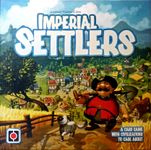
Strip out the board and the workers and you're left with Imperial Settlers: a card game built on multi-use cards, open drafting, take-that, progressive turn order, variable player powers, and solo play, all shared with Dune: Imperium. It's noticeably lighter — 2.78 versus 3.08 — and faster to get to the table. It matches the 1–4 range but plays best at two rather than three. Without worker placement or deck, bag, and pool building, the pull comes from closed drafting, contracts, and income in an ancient civilization setting; the card interaction feels familiar even though the structure doesn't.

51st State: Master Set(2016)
Shares Multi-Use Cards + 4 more

Everdell(2018)
At 1–4 players and best at three, Everdell mirrors the original's counts exactly. The mechanical common ground is open drafting, ownership, tags, worker placement, and solitaire play — a solid core, with real divergence around it. Complexity dips to 2.83 from 3.08, making this the gentler evening of the two. There's no take-that here, no deck, bag, and pool building, and no card-play conflict; set collection, hand management, income, and end-game bonuses take their place. If you like the worker-placement half of Dune: Imperium more than the fighting half, this fantasy card game covers it.

Star Wars: Outer Rim(2019)
Shares Race + 3 more
The Manhattan Project: Energy Empire(2016)
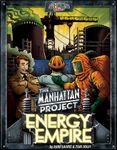
Complexity here virtually matches the original: 3.03 against 3.08, so the decision weight will feel familiar. Energy Empire's shared systems include multi-use cards, open drafting, tags, variable player powers, worker placement, and a solitaire option — a healthy overlap, though the two diverge from there. It runs 1–5 and hits hardest at four, one seat above Dune: Imperium's best count of three. The trade: deck, bag, and pool building and card play conflict resolution are out, while dice rolling, different worker types, a market, and income are in, pointing the whole thing toward an economic, industry-focused puzzle rather than a fight.
As an Amazon Associate, ISO earns from qualifying purchases. Prices and availability vary; ISO never displays prices. Affiliate links are marked rel="sponsored" per FTC guidelines.
Get picks tuned to your shelf
This list is built from community data. Sign in to ISO and log what you own — your personal feed factors in your complexity preferences, play history, and the games already on your shelf.
Get personalized recommendations →Free · no credit card · 2-minute setup
More recommendation lists
Dune: Imperium – Uprising
Lost Ruins of Arnak
The Witcher: Old World
Terraforming Mars
Lewis & Clark: The Expedition
Architects of the West Kingdom
Scythe
Imperial Settlers
51st State: Master Set
Everdell
Star Wars: Outer Rim
The Manhattan Project: Energy Empire