
Brass: Birmingham(2018)
Games like Brass: Birmingham
Looking for games like Brass: Birmingham? It rewards players who think several moves deep through tight, interlocking systems — built on cards that force hard choices because each one can do more than one job and carving out routes before your rivals box you in. This page rounds up 12 of the closest alternatives, scored on mechanical overlap with the original (45%), complexity match (35%), and player-count fit (20%), then weighted by BoardGameGeek community ratings so every pick is one players genuinely rate. The strongest matches come first; the further down you go, the more a game trades exact overlap for a fresh take on the same core appeal.
12 recommendations · scored by ISO

Brass: Lancashire(2007)
Brass: Lancashire is a near-perfect match — no surprise, since the two share their entire mechanical skeleton: chaining, network and route building, multi-use cards, hand management, loans, a market, tech tracks, tile placement, and stat-based turn order. At 3.84 versus Birmingham's 3.86, depth is essentially identical. Player counts line up exactly too: 2–4, best with a full table of four. The differences are thematic rather than structural — the original lists Trains among its categories where Lancashire doesn't — so what changes is map and atmosphere, not the core decisions you make each turn.
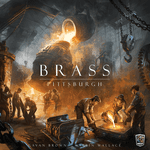
Brass: Pittsburgh(2027)
One of the closest in feel you'll find, Brass: Pittsburgh carries over chaining, hand management, income, loans, the market, multi-use cards, network and route building, ownership, tech tracks, tile placement, and stat-based turn order. It sits slightly lighter at 3.69 versus 3.86 — a small step down, not a real drop in depth. It handles 1–4 players, keeping the four-player ceiling of Brass: Birmingham while adding a solo option. Only end-game bonuses and tags fall away from the original's list, and nothing new is bolted on — the changes here are refinements rather than reinventions.

Indonesia(2005)
Playing best at four just like Brass: Birmingham — though it stretches to five — Indonesia overlaps on network and route building, ownership, multi-use cards, income, tile placement, tech tracks, end-game bonuses, and variable setup. At 3.99 versus 3.86 it's fractionally heavier; the depth lives in the same territory. Where it diverges: the hand management, loans, and market of the original are gone, replaced by auctions for turn order, open drafting, pick-up and deliver, and zone-of-control conflict. The economic network-building bones feel familiar, but the auction-driven flow at the table plays out quite differently.
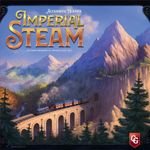
Imperial Steam(2021)
Imperial Steam shares the network and route building, income, market, tile placement, and stat-based turn order that drive Brass: Birmingham, plus end game bonuses, ownership, and variable set-up — the economic backbone is clearly related. It runs a step heavier, though: 4.23 weight against 3.86, so expect more to juggle each turn. Player counts line up exactly, 2–4 and best at four. Where the original leans on hand management, loans, multi-use cards, and tech tracks, this one swaps in pick-up and deliver, contracts, open drafting, an auction for turn order, and a sudden death ending — familiar core, noticeably different decisions.

Arkwright: The Card Game(2021)
Hand management, multi-use cards, loans, income, a market, tech tracks, end-game bonuses, and stat-based turn order — Arkwright: The Card Game shares the core of what makes Brass: Birmingham tick, with some real divergence. At 3.95 versus 3.86 it's marginally heavier, so expect a comparable mental load. It runs 1–4 players against the original's 2–4 (best at four), adding a solo mode. The big shift: you lose chaining, network building, and tile placement — there's no spatial play here — and gain open drafting, stock holding, and even player elimination, pushing it toward a pure economic card game.

Barrage(2019)
Noticeably heavier at 4.11 than Brass: Birmingham's 3.86, Barrage asks a bit more of you, but the shared DNA is real: network and route building, income, ownership, stat-based turn order, end-game bonuses, and variable setup. It runs 1–4 players and, like the original, is strongest with a full four — plus a solo mode if you want one. What you give up are the cards: no hand management, multi-use cards, loans, or market here. In their place come worker placement, contracts, and variable player powers, so the network-and-income core stays intact while the action system feels meaningfully different.
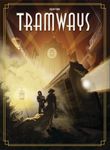
Tramways(2016)
Trains and transportation stay front and center in Tramways, which shares hand management, multi-use cards, network and route building, income, ownership, tile placement, end-game bonuses, and variable setup with Brass: Birmingham. At 3.80 versus 3.86, complexity is close enough to call identical. Player count is the one caution: it handles 1–5 but shines at three, where the original wants a full four. You lose chaining, loans, the market, and tech tracks; in return you get deck building, auctions for turn order, and pick-up and deliver on a modular square grid — the same family of decisions, running on a different engine.

The Great Zimbabwe(2012)
Shares Income + 5 more

Nucleum(2023)
Science fiction energy replaces period industry in Nucleum, but the overlap is substantial: hand management, income, a market, network and route building, tech tracks, and end-game bonuses all appear in both. It's a clear step heavier, though — 4.19 against Brass: Birmingham's 3.86 — so budget more brainpower. Counts are close but not identical: 1–4 players, best at three, where the original peaks at four, with solo available. Missing are loans, multi-use cards, chaining, and tile placement; added are action retrieval, contracts, and variable player powers. The economic heart is recognizable even as each turn gets built differently.
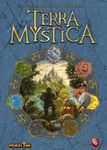
Terra Mystica(2012)
Swap industry and manufacturing for fantasy civilization-building and you still find familiar bones in Terra Mystica: chaining, network and route building, income, tech tracks, end-game bonuses, and variable setup all carry over. Weight-wise it's nearly identical — 3.97 to Birmingham's 3.86 — so the planning burden is comparable. It seats 2–5 and, like the original, is best with four. The divergence is real, though: no cards, loans, or market here; instead you get variable player powers, a hexagon grid, and pass-order turns, so the tension comes from territory and faction asymmetry rather than an economy of goods.

Wildcatters(2013)
Shares End Game Bonuses + 5 more

Galactic Cruise(2025)
Shares End Game Bonuses + 5 more
As an Amazon Associate, ISO earns from qualifying purchases. Prices and availability vary; ISO never displays prices. Affiliate links are marked rel="sponsored" per FTC guidelines.
Get picks tuned to your shelf
This list is built from community data. Sign in to ISO and log what you own — your personal feed factors in your complexity preferences, play history, and the games already on your shelf.
Get personalized recommendations →Free · no credit card · 2-minute setup
More recommendation lists